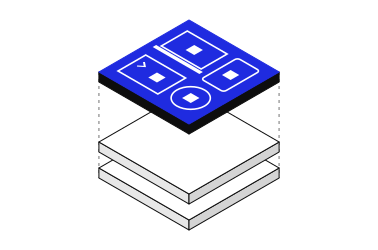
surfaces
The places where people meet the product. I don’t design a screen, but the presence of the same object on each of them.
Surfaces · Design system · Model
For the humans who run them, and for the agents acting on their behalf.
Florian Butour, Senior Product Designer.
10+ years of experience · Nantes or fully remote.
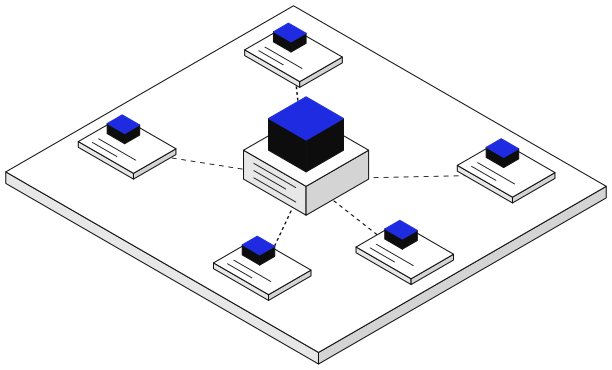
Every surface shows the same object, held by the design system’s rules, defined once in the model. Only the use changes, depending on who handles it, human or agent.
The places where people meet the product. I don’t design a screen, but the presence of the same object on each of them.
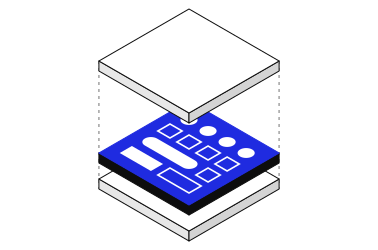
The rules that translate the model into surfaces: what to use, and above all when. Written for teams, and for agents.
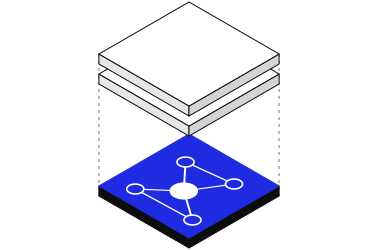
The product’s internal architecture: its objects, their relations and dependencies, their states, and who is allowed to act on what. What remains once the screens are removed.
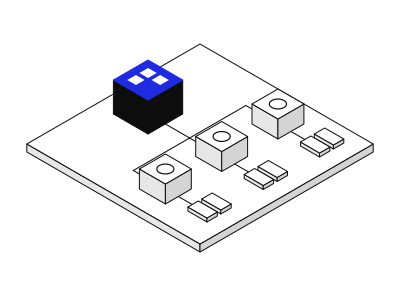
A profile-based architecture on a shared data foundation, held together by a governed design system.
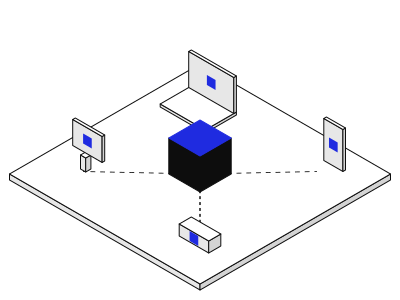
WorkplaceToBe had to remain a single product while being delivered on several surfaces: web, mobile, Outlook, room displays and desk labels. I led its redesign on the design side by building a shared system, able to adapt the same uses to each context.
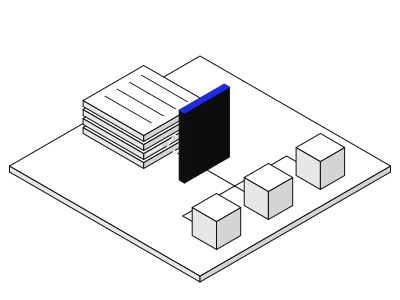
At Qlik, I am designing a data contract tool to make explicit the commitments between the teams that produce a dataset and those that use it. The challenge: linking these commitments to the information and quality measures already present in the platform. This work is in progress.
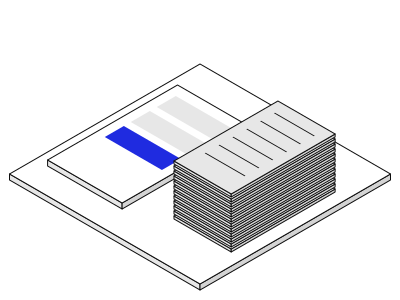
At Qlik, each type of resource (dataset, data product or pipeline project) had its own overview, built as needs arose. I am working to base them on shared page templates, giving each view a precise role.
Position
When a machine acts on someone’s behalf, you have to decide what they agree to delegate, what they are asked to confirm, and how they take back control. That is where I come in.
This site applies that principle to itself: one body of content, one version for humans, one for agents. If you hand its reading to an AI assistant, give it the link to that version: it states what each case proves and what belongs to the team. Nothing is hidden there.
I start from usage observed in the field, then set out with Product and Engineering the trade-offs that will fix the product’s rules.
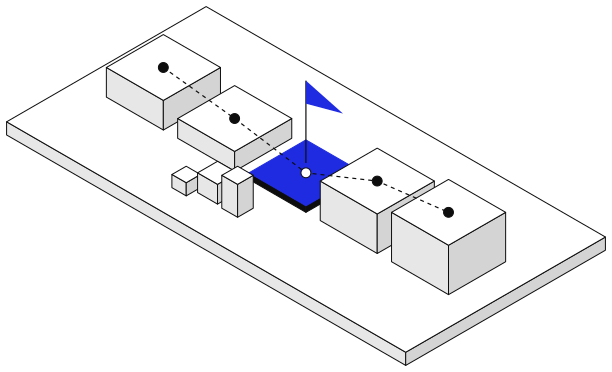
I describe the product before drawing it: its objects, their relations, their states, and who can act on what.
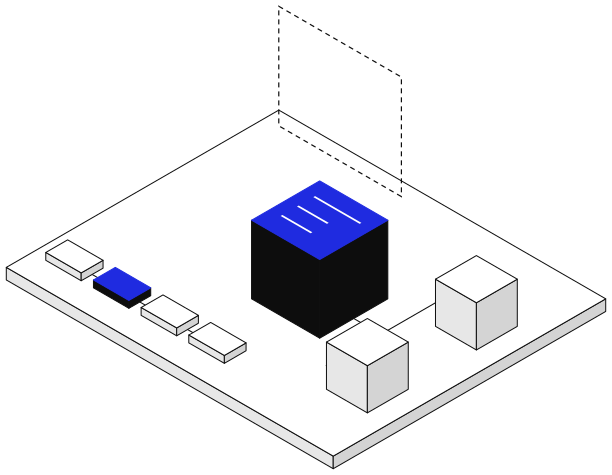
I turn decisions into reusable rules, so that five teams don’t design five versions of the same concept.
A well-designed system reduces the effort needed to go from a need to an action, without removing the landmarks that matter.
Design must take part in defining the product’s objects and rules. Screens make it possible to test them and make them evolve.
Business patterns extend the components of a design system by organising interactions around recurring tasks.
When an agent acts on someone’s behalf, designing the product means defining what that person can delegate to it, how they stay in control and how they understand what was done.
When a product can be reached through several interfaces, its consistency depends on the objects, states and rules they share, as much as on the quality of each interface.